
Why a Healthy Diet Matters
The retina is a thin layer of tissue at the back of the eye that converts light into neural signals for the brain. Consequently, a nutrient-rich diet can help prevent retinal diseases like macular degeneration, diabetic retinopathy, and retinitis pigmentosa.
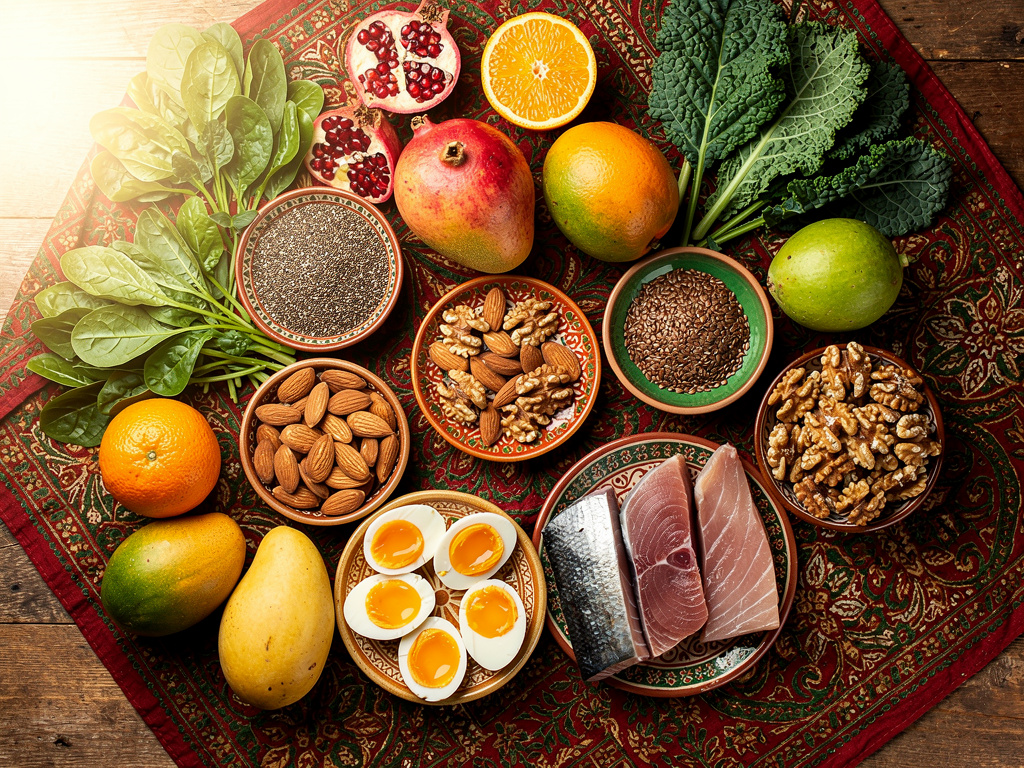
Key Nutrients for Retinal Health
Vitamin A
Why it’s important: Vitamin A is essential for night vision and overall retinal function.
Food sources: Carrots, sweet potatoes, spinach, kale, and liver.
Omega-3 Fatty Acids
Why it’s important: Supports retinal structure and reduces inflammation.
Food sources: Fatty fish (tuna, if acceptable), flaxseeds, chia seeds, and walnuts.
Lutein and Zeaxanthin
Why it’s important: Protects the retina from harmful blue light and oxidative stress.
Food sources: Leafy greens (spinach/palak, kale), eggs, corn, and broccoli.
Vitamin C
Why it’s important: Slows retinal damage as an antioxidant.
Food sources: Oranges, guava, strawberries, and bell peppers (shimla mirch).
Vitamin E
Why it’s important: Protects retinal cells from oxidative damage.
Food sources: Almonds, sunflower seeds, avocados, and spinach.
Zinc
Why it’s important: Helps vitamin A work effectively in the retina.
Food sources: Lentils (daal), pumpkin seeds, and eggs.
Foods to Include in Your Diet
Eggs: Rich in lutein, zeaxanthin, and zinc.
Leafy Greens: Spinach, kale, and Swiss chard.
Fruits: Oranges , guava, strawberries, and carrots .
Nuts & Seeds: Almonds, walnuts, flaxseeds, and chia seeds.
Vegetables: Bell peppers, sweet potatoes and broccoli.
Foods to Avoid
To protect your retinal health, it’s important to limit certain foods. For example:
- Processed foods high in sugar and unhealthy fats can negatively impact eye health.
- Excessive alcohol consumption may lead to nutrient deficiencies.
- High-glycemic foods, such as white bread and sugary snacks, can increase the risk of diabetic retinopathy.
Lifestyle Tips for Retinal Health
In addition to a healthy diet, consider the following tips:
- Stay hydrated to maintain healthy blood flow to the retina.
- Maintain a healthy weight to reduce the risk of diabetes and hypertension, both of which can affect retinal health.
- Quit smoking, as it increases the risk of macular degeneration and other retinal diseases.
If you are unsure whether your symptoms require emergency attention, it is always safer to contact your healthcare provider or eye clinic for guidance.
At The Eye Center – Dr. Mahnaz Naveed Shah & Associates in Karachi, patients benefit from the care of internationally trained specialists across every sub-specialty of ophthalmology. Led by Dr. Mahnaz Naveed Shah, a highly experienced and dedicated glaucoma specialist with extensive training in advanced eye care, the team provides trusted support for both routine check-ups and urgent eye conditions. They will guide you on whether you need a screening, further investigation, or immediate treatment, always with your safety and comfort in mind. For expert consultation, contact 0304-111-9544 to book an appointment.
With a strong record of excellence in glaucoma and cataract care, Dr. Mahnaz Shah and her team remain committed to helping you protect your vision—with confidence.
Comments are closed