
What Is Retinitis Pigmentosa?
Retinitis pigmentosa (RP) is a group of genetic disorders causing progressive degeneration of the retina. This condition affects the retina’s ability to respond to light, leading to gradual vision loss. RP often begins with night blindness and peripheral vision loss, eventually impacting central vision.
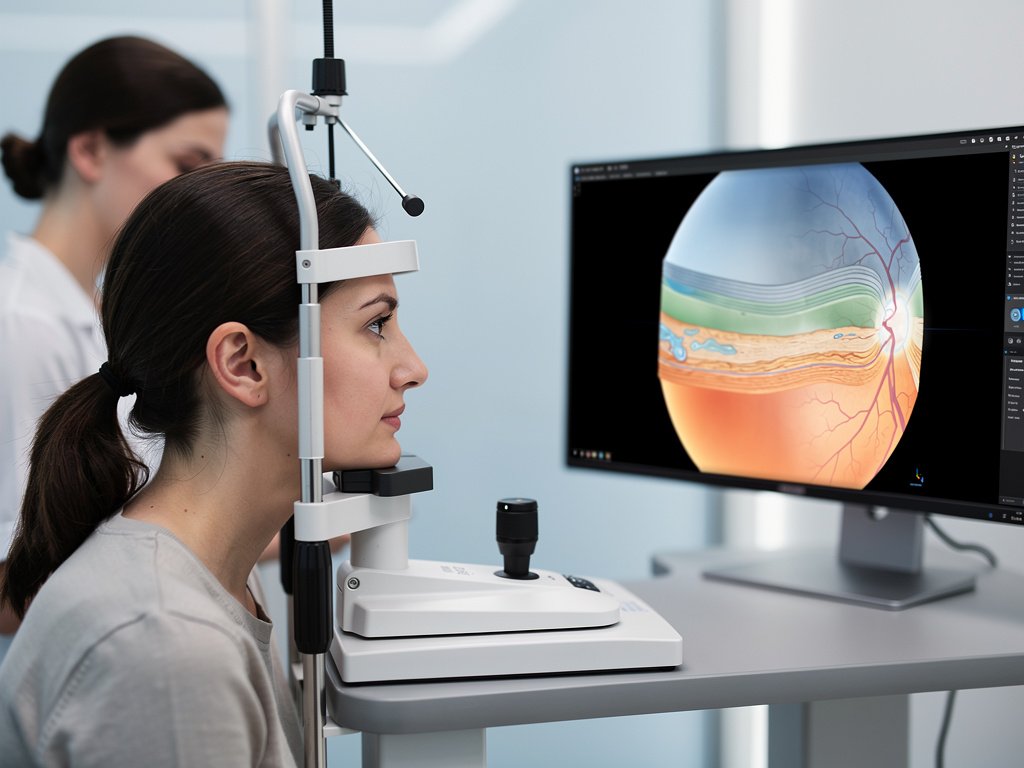
Genetic Causes of Retinitis Pigmentosa
RP is primarily inherited, with mutations in over 60 genes linked to the condition. The most common inheritance patterns include:
- Autosomal Dominant: One mutated gene from a parent can cause RP.
- Autosomal Recessive: Both parents must carry the mutated gene for the child to develop RP.
- X-Linked: The mutated gene is on the X chromosome, affecting males more severely.
Understanding the genetic basis of RP aids in diagnosis, family planning, and clinical trial participation.
Symptoms of Retinitis Pigmentosa
RP symptoms often appear in childhood or adolescence and worsen over time. Common signs include:
- Night Blindness: Difficulty seeing in low light or darkness.
- Peripheral Vision Loss: Tunnel vision, where side vision gradually narrows.
- Glare Sensitivity: Increased discomfort in bright light.
- Central Vision Loss: In advanced stages, RP affects sharp, central vision.
Managing Retinitis Pigmentosa
While there is no cure for RP, these strategies can help manage the condition:
- Regular Eye Exams: Monitor vision changes and detect complications early.
- Nutritional Supplements: Vitamin A, omega-3 fatty acids, and lutein may slow progression. Consult your doctor before starting supplements.
- Low Vision Aids: Devices like magnifiers and special glasses maximize remaining vision.
- Genetic Counseling: Helps families understand inheritance patterns and risks.
Research and Future Treatments
Ongoing research into gene therapy, stem cell therapy, and retinal implants offers hope for future RP treatments. Clinical trials are exploring ways to halt or reverse progression, providing potential options for those affected.
Living with Retinitis Pigmentosa
Many individuals with RP lead fulfilling lives with the right support. Early diagnosis, regular monitoring, and access to low vision resources can help manage the condition effectively. If you or a loved one has RP, consult an eye specialist for personalized care.
If you are unsure whether your symptoms require emergency attention, it is safer to call your healthcare provider or eye clinic for advice.
With Pakistan’s internationally trained and most experienced cataract surgeons, corneal transplant surgeons and eye surgeons specializing in every single sub specialty in ophthalmology, The Eye Center – Dr. Mahnaz Naveed Shah & Associates in Karachi provides guidance for both routine and urgent eye care needs. Their team can advise whether you should schedule a screening or seek immediate attention, ensuring safety and comfort. For expert consultation, contact The Eye Center – Dr. Mahnaz Naveed Shah & Associates at 03041119544 to book an appointment.
With a proven track record of excellence in glaucoma and cataract care, Dr. Mahnaz Shah and her team are here to help you protect your vision—with confidence.
Comments are closed