
Understanding Laser Photocoagulation
Laser photocoagulation is a widely used treatment for various retinal diseases, including diabetic retinopathy, retinal tears, and age-related macular degeneration (AMD). In Karachi, this procedure is an essential tool for preserving vision and preventing further damage to the retina. By using a focused laser beam, ophthalmologists can seal leaking blood vessels, repair retinal tears, and reduce abnormal blood vessel growth.
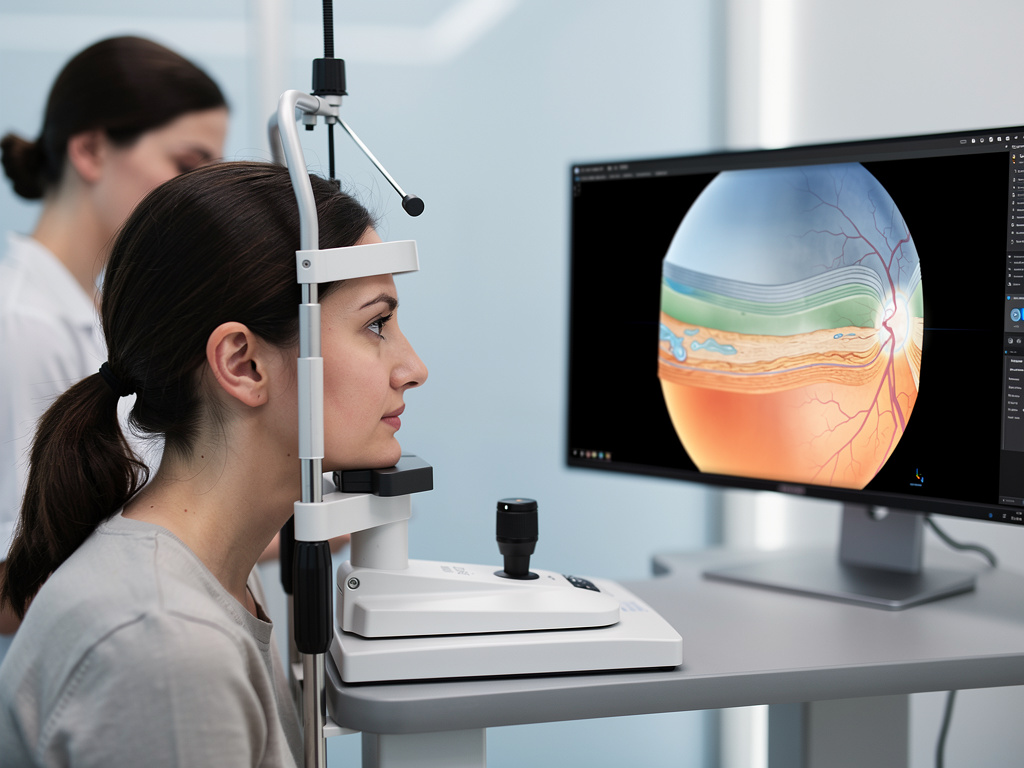
How Laser Photocoagulation Works
The procedure involves the following steps:
- Targeted Laser Application: A high-energy laser beam is directed at specific areas of the retina to create small, controlled burns.
- Sealing Leaks and Tears: The laser heat seals leaking blood vessels and repairs retinal tears, preventing fluid buildup and further damage.
- Reducing Abnormal Blood Vessels: In cases of diabetic retinopathy or AMD, the laser destroys abnormal blood vessels that can cause vision loss.
Conditions Treated with Laser Photocoagulation
Laser photocoagulation is commonly used to treat:
- Diabetic Retinopathy: Prevents vision loss by sealing leaking blood vessels in the retina.
- Retinal Tears and Detachments: Repairs tears to prevent retinal detachment, which can lead to severe vision loss.
- Age-Related Macular Degeneration (AMD): Slows the progression of wet AMD by destroying abnormal blood vessels.
- Retinal Vein Occlusion: Reduces swelling and improves blood flow in the retina.
The Laser Photocoagulation Procedure
If you are undergoing laser photocoagulation in Karachi, here’s what to expect:
- Pre-Procedure Preparation: Your eyes will be dilated, and numbing eye drops will be applied to minimize discomfort.
- During the Procedure: You will sit at a slit lamp while the ophthalmologist applies the laser to the affected areas of your retina. The procedure is usually painless, though you may feel slight pressure.
- Post-Procedure Care: You may experience mild discomfort or blurred vision for a short time. Your doctor will provide instructions for recovery, including the use of eye drops and avoiding strenuous activities.
Benefits of Laser Photocoagulation
Laser photocoagulation offers several benefits for patients with retinal diseases:
- Preserves Vision: Helps prevent further vision loss by addressing the root cause of retinal damage.
- Minimally Invasive: The procedure is non-surgical and typically performed in an outpatient setting.
- Quick Recovery: Most patients resume normal activities within a few days.
- Cost-Effective: Compared to other treatments, laser photocoagulation is a relatively affordable option for managing retinal diseases.
Potential Risks and Considerations
While laser photocoagulation is generally safe, there are some risks to consider:
- Temporary Vision Changes: Some patients may experience blurred vision or sensitivity to light immediately after the procedure.
- Scarring: The laser can cause small scars on the retina, which may affect peripheral or night vision.
- Need for Multiple Sessions: Depending on the severity of the condition, multiple treatment sessions may be required.
If you are unsure whether your symptoms require emergency attention, it is safer to call your healthcare provider or eye clinic for advice.
With Pakistan’s internationally trained and most experienced cataract surgeons, corneal transplant surgeons and eye surgeons specializing in every single sub specialty in ophthalmology, The Eye Center – Dr. Mahnaz Naveed Shah & Associates in Karachi provides guidance for both routine and urgent eye care needs. Their team can advise whether you should schedule a screening or seek immediate attention, ensuring safety and comfort. For expert consultation, contact The Eye Center – Dr. Mahnaz Naveed Shah & Associates at 03041119544 to book an appointment.
With a proven track record of excellence in glaucoma and cataract care, Dr. Mahnaz Shah and her team are here to help you protect your vision—with confidence.
Comments are closed