
Understanding Cataracts
What Is a Cataract?
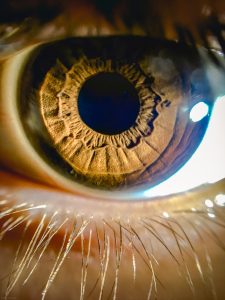
A cataract occurs when the lens of your eye becomes cloudy. This cloudiness scatters light as it passes through the lens, leading to blurred or dim vision.
Causes of Cataracts
Cataracts primarily develop due to aging, but other factors can contribute. These include diabetes, smoking, prolonged UV exposure, or the use of certain medications like corticosteroids.
Understanding Retinal Diseases
What Are Retinal Diseases?
Retinal diseases affect the retina, the light-sensitive tissue at the back of the eye. Conditions like diabetic retinopathy, age-related macular degeneration (AMD), and retinal detachment fall under this category.
Causes of Retinal Diseases
Retinal diseases often result from diabetes, aging, or genetic factors. High blood pressure, eye injuries, or infections can also lead to retinal damage.
Symptoms to Watch For
Cataract Symptoms
Cataracts typically cause gradual changes in vision. You may notice blurred or cloudy vision, difficulty seeing at night, or increased sensitivity to glare. Colors may also appear faded.
Retinal Disease Symptoms
Retinal diseases can cause a range of symptoms, depending on the specific condition. These may include blurred or distorted central vision, dark or empty spots in your field of vision, floaters, or sudden flashes of light. In severe cases, retinal diseases can lead to significant vision loss or blindness.
Treatment Approaches
Cataract Treatment
Cataracts are treated with surgery. During the procedure, the cloudy lens is removed and replaced with an artificial intraocular lens (IOL). This surgery is highly effective and usually restores clear vision.
Retinal Disease Treatment
Treatment for retinal diseases varies depending on the condition. For diabetic retinopathy, laser therapy or injections may help prevent further damage. AMD might be managed with vitamin supplements or medications. In cases of retinal detachment, surgery is often required to reattach the retina.
Protecting Your Vision
Regular eye exams are crucial for detecting both cataracts and retinal diseases early. If you experience any changes in your vision, consult an eye specialist promptly. Early diagnosis and treatment can help preserve your vision and prevent complications.
If you are unsure whether your symptoms require emergency attention, it is safer to call your healthcare provider or eye clinic for advice.
With Pakistan’s internationally trained and most experienced cataract surgeons, corneal transplant surgeons and eye surgeons specializing in every single sub specialty in ophthalmology, The Eye Center – Dr. Mahnaz Naveed Shah & Associates in Karachi provides guidance for both routine and urgent eye care needs. Their team can advise whether you should schedule a screening or seek immediate attention, ensuring safety and comfort. For expert consultation, contact The Eye Center – Dr. Mahnaz Naveed Shah & Associates at 03041119544 to book an appointment.
Comments are closed